Cheapest Air Cargo Airlines from China to Africa in 2026: A Practical Comparison

Many importers and agents search for the “cheapest cargo airline” from China to Africa. In reality, there is no permanent winner. Rates change weekly based on demand, capacity, fuel prices, and routing.
What matters most is the all-in cost for your specific origin, destination, and cargo — not just the lowest base rate you see on a quote.
This article breaks down the main options in 2026 and how to compare them properly.
Main Airlines and Operators on the China–Africa Lane
| Carrier / Option | Typical Strength | Best For | Common Limitation |
|---|---|---|---|
| Ethiopian Airlines | Broad African network + high frequency | East Africa & multi-country distribution | Longer routing via Addis for some West/Central destinations |
| Qatar Airways Cargo | Strong freighter capacity & reliability | Many major African gateways | Can be premium-priced on some lanes |
| Turkish Cargo | Good connectivity via Istanbul | Wide African coverage | Extra handling and longer transit on certain routes |
| Emirates SkyCargo | High capacity and schedule density | Major hubs | Often higher all-in cost |
| Specialized corridors (e.g. Ezhou–Lagos) | More direct routing to West/Central Africa | Douala, Lagos, and nearby markets | Narrower destination coverage |
What “Cheapest” Really Means
A low base rate can still become expensive once you add:
- Fuel surcharge
- Security surcharge
- Origin handling and terminal fees
- Destination charges
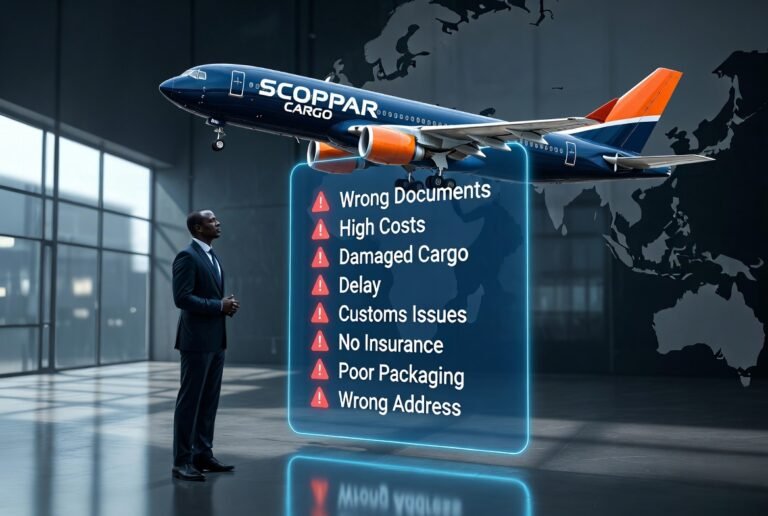
- Extra costs from delays or multiple handlings
Always compare all-in rates plus expected transit time and reliability.
Route Matters More Than the Airline Name
The same airline can be competitive on one route and expensive on another.
Examples:
- For many East African destinations, Ethiopian is frequently among the most competitive.
- For some West and Central African destinations, a routing via Lagos or another specialized hub can offer better total value than going through Addis, Doha, or Istanbul.
- During peak seasons, carriers with tighter capacity often raise rates faster.
How to Find the Real Best Rate in 2026
- Give accurate cargo details Weight, dimensions, commodity, origin city, and final destination.
- Ask for all-in quotes Insist on a full breakdown, not just a base rate.
- Compare transit time and handlings Fewer stops usually mean lower risk of delay and damage.
- Check space availability A cheap rate with no confirmed space is useless.
- Consider consistency Regular shippers often get better rates and priority from partners who focus on the lane.
Typical Price Drivers in 2026
| Factor | Effect on Price |
|---|---|
| Peak season (Chinese New Year, Q4) | Strong upward pressure |
| High volumetric weight | Increases chargeable weight |
| Tight freighter capacity | Rates rise quickly |
| Multiple handlings | Adds cost and risk |
| Last-minute booking | Usually more expensive |
Practical Recommendation
- For East Africa and broad multi-destination needs → Ethiopian and other major network carriers remain strong contenders.
- For West and Central Africa (especially Douala and nearby markets) → Compare traditional options with more direct or specialized routings such as the Ezhou–Lagos corridor.
- Never choose purely on the lowest number. Balance cost, speed, and reliability.
The cheapest option on paper is not always the cheapest in reality once delays, extra fees, or cargo issues are factored in.
Want a real side-by-side comparison for your cargo?
Share your origin city in China, destination in Africa, approximate weight and volume, and commodity. Scoppar will provide clear all-in options so you can see the true cost difference.
WhatsApp: +237 693 000 027 Email: care@scoppar.com Website: www.scoppar.com