Step-by-Step: How to Book Air Cargo Space from China to Africa (Without Getting Scammed) – 2026 Guide
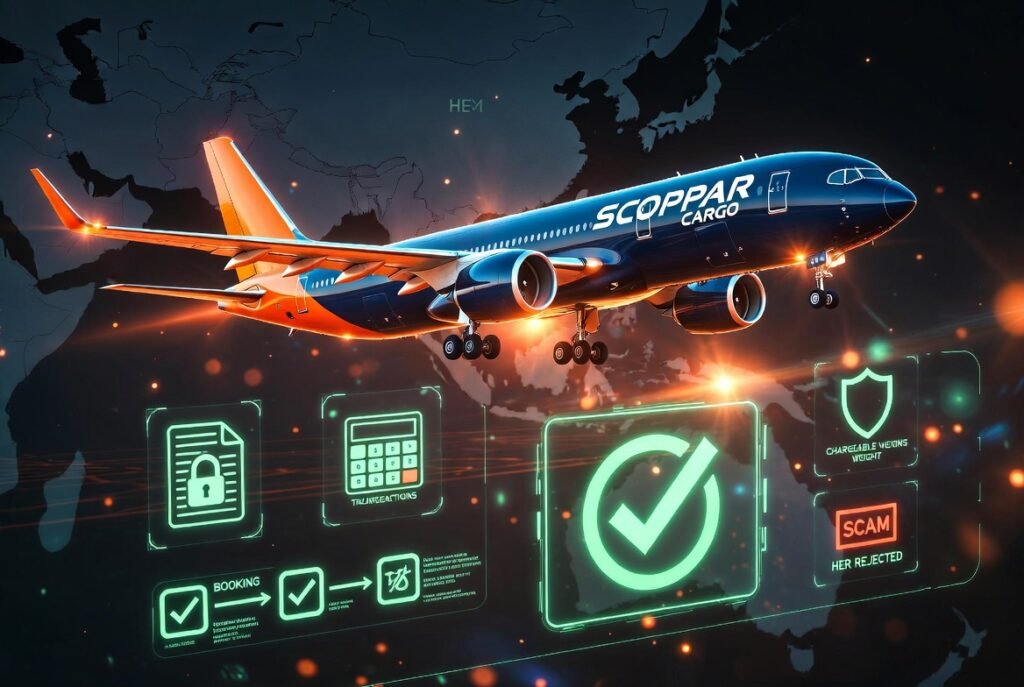
Booking air cargo from China to Africa should be straightforward. In reality, many importers and agents still lose money or face major delays because of unclear processes, fake operators, or poorly managed bookings.
This practical guide walks you through the correct steps to book space safely and efficiently in 2026.
Step 1: Prepare Your Cargo Details Accurately
Before contacting any forwarder or airline agent, gather the following:
- Exact origin city in China
- Final destination (e.g. Douala, Kinshasa, Lagos)
- Number of packages
- Actual weight and dimensions of each package
- Commodity description and HS code (if available)
- Preferred shipping date or deadline
- Incoterms (who handles what)
Incomplete or inaccurate information is one of the main reasons quotes change later or cargo gets delayed.
Step 2: Calculate Chargeable Weight Yourself
Do not rely only on the agent’s number. Calculate it yourself:
Volumetric weight (kg) = (Length × Width × Height in cm) ÷ 6000 Chargeable weight = the higher of actual weight or volumetric weight
This helps you verify quotes and avoid surprises.
Step 3: Request All-In Quotes from Reliable Partners
Ask for a complete price that includes:
- Air freight rate
- Fuel and security surcharges
- Origin handling and terminal fees
- Any known destination charges (if applicable)
Avoid operators who only give a “base rate” and add many extras later.
Step 4: Verify the Operator or Agent
Before paying or confirming:
- Check if they have a real office and verifiable track record on China–Africa routes
- Ask for recent examples of shipments to your destination
- Confirm they can issue a proper Air Waybill (AWB)
- Prefer partners who operate or closely control the actual freighter capacity
Be especially careful with individuals who only communicate via random social media accounts and demand full prepayment to personal accounts.
Step 5: Confirm Space and Lock the Booking
Once you accept a quote:
- Get written confirmation of the booking (email or system confirmation)
- Confirm the flight details or routing (e.g. Ezhou → Lagos → Douala)
- Clarify cut-off times for cargo delivery to the warehouse
- Agree on the exact chargeable weight and final price
Do not assume space is secured until you receive clear confirmation.
Step 6: Prepare and Submit Documents Early
Required documents usually include:
- Commercial Invoice
- Packing List
- Any export declarations from China
- Correct consignee details for the destination
Submit documents early so the AWB can be prepared without last-minute errors.
Step 7: Deliver Cargo and Monitor the Shipment
- Deliver the cargo to the designated warehouse before the cut-off time
- Obtain the warehouse receipt or handover confirmation
- Once flown, request the AWB number and tracking updates
- Follow the shipment until arrival and customs clearance
Good operators provide proactive updates, especially at hub points like Lagos.
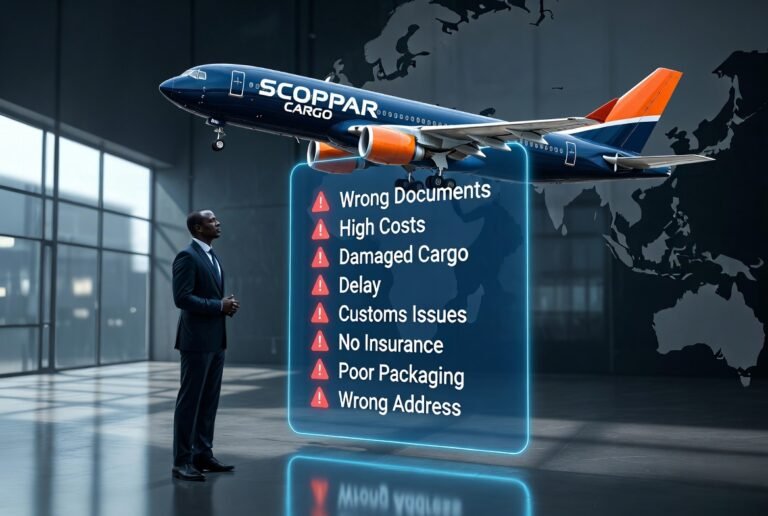
Red Flags That Signal Possible Scams or Problems
- Pressure to pay immediately to a personal bank account or mobile money
- Refusal to provide a company name, AWB sample, or clear routing
- Quotes that are significantly lower than all others without explanation
- No physical address or verifiable business presence
- Poor or evasive communication when asked for details
Recommended Approach in 2026
Work with partners who specialize in the China–Africa lane and have clear operational control or strong partnerships on key routes such as Ezhou–Lagos–Douala. This reduces the number of handovers and the risk of miscommunication.
Ready to book safely?
Scoppar provides transparent booking, clear all-in pricing, and reliable space on the China–Africa corridor.
WhatsApp: +237 693 000 027 Email: care@scoppar.com Website: www.scoppar.com
Send your cargo details (origin, destination, weight, dimensions, and commodity) and we will guide you through a secure booking process.