
7 Common Mistakes African Businesses Make When Importing from China by Air (2026)
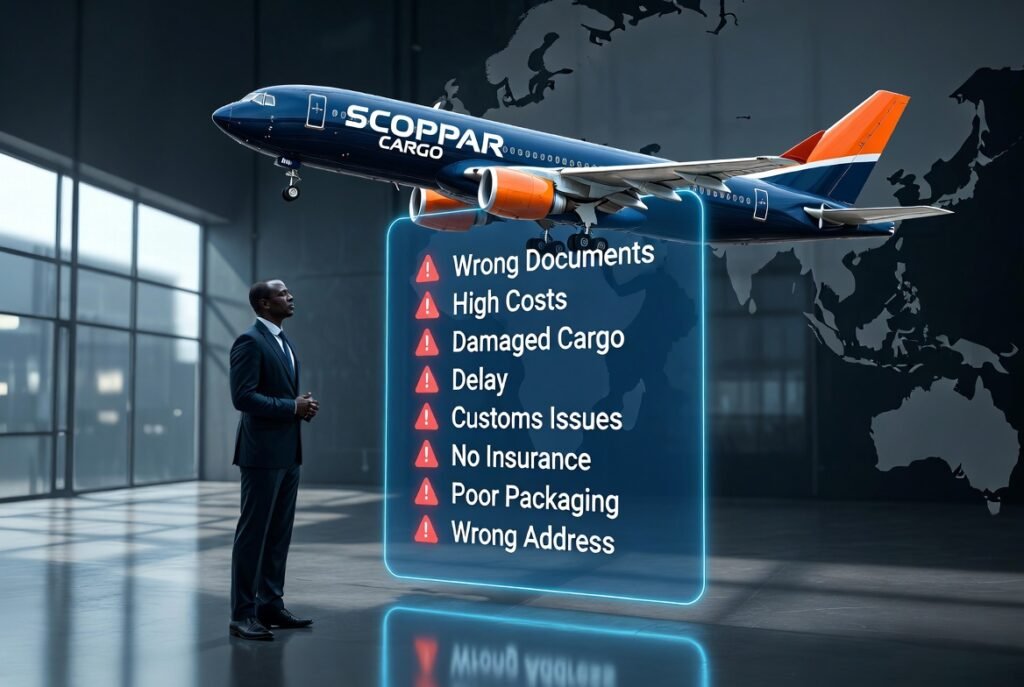
Importing from China by air can be fast and efficient — but only if done correctly. Many African businesses still lose money, time, or goods because of avoidable mistakes.
Here are the seven most common errors we see in 2026, and how to avoid them.
1. Focusing Only on the Lowest Rate
The cheapest quote is rarely the best total cost. Low base rates often come with:
- Longer transit times
- Multiple handlings (higher risk of damage)
- Hidden surcharges
- Poor tracking and communication
Better approach: Compare all-in rates, transit time, and reliability together.
2. Ignoring Volumetric Weight
Many importers only look at the actual weight of their cargo. Airlines charge on chargeable weight — the higher of actual weight or volumetric weight.
Light but bulky cargo (fashion, furniture, some electronics packaging) can end up costing much more than expected.
Solution: Always calculate volumetric weight before confirming a rate: (Length × Width × Height in cm) ÷ 6000.
3. Poor or Incomplete Documentation
Incorrect commercial invoices, missing packing lists, wrong HS codes, or incomplete Import Declarations (DI) are still among the top causes of delays in Douala and other CEMAC airports.
In 2026, with more digital systems (GUCE / CAMCIS), errors are caught faster — but they still stop your cargo.
Tip: Double-check every document before the goods leave China.
4. Choosing Unverified Suppliers or Agents
Paying a supplier without proper verification, or working with an unknown middleman, remains a major risk. Some businesses only discover problems after payment has been made.
Safer practice:
- Start with smaller trial orders
- Use trusted payment methods
- Work with established logistics partners who can also help verify the flow
5. Not Planning for Peak Seasons
Air cargo rates and space availability change significantly during:
- Chinese New Year
- Back-to-school period
- End-of-year (October–December)
Booking at the last minute during these windows usually means higher prices and longer delays.
Advice: Plan and reserve space 2–3 weeks in advance during peak periods.
6. Skipping Cargo Insurance
Many importers skip insurance to “save money,” especially on medium-value shipments. When damage or loss occurs, the financial impact is much higher than the insurance cost would have been.
Recommendation: Insure any shipment whose value you are not prepared to lose.
7. Treating Shipping as an Afterthought
Some businesses finalize the product and payment first, then scramble to find shipping. This often leads to rushed decisions, poor rates, and unnecessary stress.
Better way: Involve your logistics partner early — while you are still negotiating with the supplier. This allows better coordination of production, packaging, and shipping timelines.
Quick Checklist Before You Ship
- All-in rate confirmed (not just base rate)
- Volumetric weight calculated
- Documents complete and accurate
- Supplier and payment method verified
- Peak season considered
- Insurance arranged (if needed)
- Logistics partner involved early
Avoiding these seven mistakes will save most importers significant time and money over the course of a year.
Need help avoiding these issues on your next shipment?
Scoppar supports African importers with reliable China–Africa air cargo, clear pricing, and practical guidance.
WhatsApp: +237 693 000 027 Email: care@scoppar.com Website: www.scoppar.com
Share your cargo details and we will help you ship smarter.