Direct China–Africa Air Cargo vs Ethiopian / Qatar / Turkish: Real Cost & Time Comparison (2026)

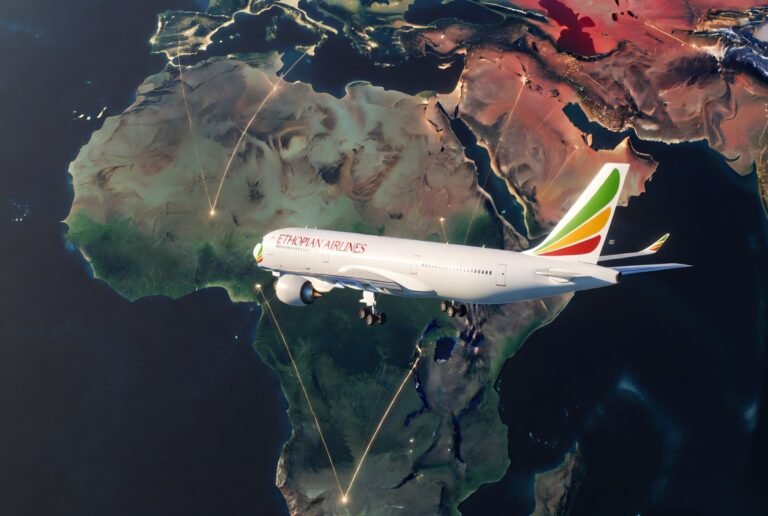
Importers and agents moving goods from China to Central and West Africa face a clear choice in 2026: traditional multi-stop routes via major carriers or the newer direct/hub corridor via Ezhou–Lagos–Douala.
This comparison looks at the real differences in transit time, cost structure, reliability, and suitability for different types of cargo.
Route Overview
| Route Type | Typical Path | Main Operators | Key Hub |
|---|---|---|---|
| Traditional | China → Middle East / Europe → Africa | Ethiopian, Qatar Airways, Turkish Airlines | ADD, DOH, IST |
| Direct / Near-direct Hub | China (Ezhou EHU) → Lagos (LOS) → Douala (DLA) + onward | Scoppar + Fly Business Airlines partners | Lagos |
Transit Time Comparison (Airport-to-Airport)
| Destination | Traditional (Ethiopian / Qatar / Turkish) | Ezhou–Lagos–Douala Corridor | Difference |
|---|---|---|---|
| Douala (DLA) | 5–9 days | 3–6 days | 1–3 days faster |
| Kinshasa (FIH) | 6–10 days | 4–7 days | Noticeably shorter |
| Libreville (LBV) | 6–9 days | 4–7 days | Competitive |
| Lagos (LOS) | 4–7 days | 2–4 days | Clear advantage |
The Ezhou–Lagos route reduces total flying and connection time by avoiding longer European or Middle Eastern detours. Onward flights from Lagos to Central Africa are also more frequent for regional cargo.
Cost Structure: What You Actually Pay
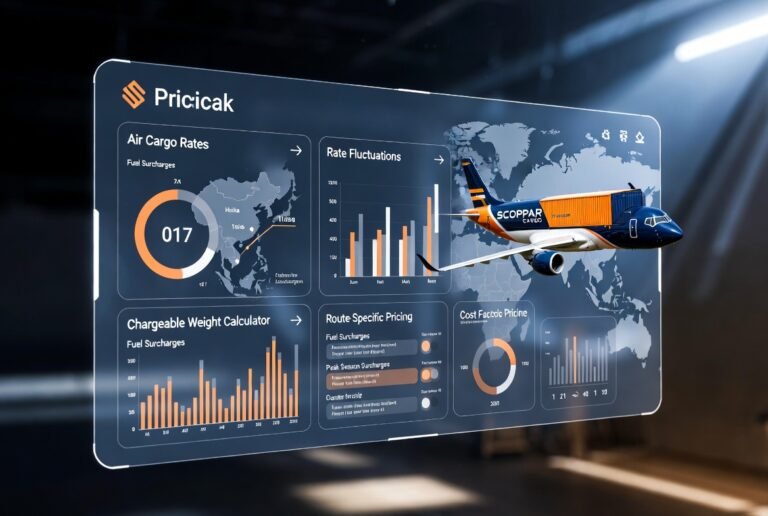
Air cargo pricing is based on chargeable weight (the higher of actual or volumetric weight). Beyond the base rate, total cost is affected by:
- Fuel and security surcharges
- Handling fees at origin and destination
- Peak season surcharges
- Number of handlings (each transfer adds risk and cost)
General pattern in 2026:
- Traditional carriers often quote competitive base rates on major routes but accumulate higher total costs through multiple handlings and longer transit.
- The Ezhou–Lagos–Douala corridor tends to offer more competitive all-in rates for Central Africa destinations because of fewer transfers and dedicated freighter capacity.
Typical all-in rate ranges (general cargo, mid-2026, subject to market fluctuation):
- China to Douala via traditional hubs: often higher once all surcharges and handling are included
- China to Douala via Ezhou–Lagos: frequently 8–20% lower on comparable chargeable weight for many shipments
Exact rates change weekly. Always request an all-in quote rather than comparing base rates alone.
Reliability & Risk Factors
| Factor | Traditional Carriers | Ezhou–Lagos–Douala Corridor |
|---|---|---|
| Number of transfers | Usually 1–2 | Usually 1 (Lagos) |
| Schedule consistency | High on major routes | Improving with dedicated freighter uplift |
| Cargo handling risk | Higher with more handlings | Lower with fewer touch points |
| Capacity during peaks | Can tighten significantly | Growing freighter capacity helps |
| Tracking visibility | Strong | Strong when using integrated operators |
Fewer handlings generally mean lower risk of damage, delay, or misrouting — especially important for high-value or time-sensitive cargo.
Which Option Is Better for You?
Choose traditional carriers (Ethiopian / Qatar / Turkish) when:
- You need very high frequency on certain secondary destinations
- Your cargo is already consolidated on their major networks
- You have strong existing contracts or volume commitments with them
Choose the Ezhou–Lagos–Douala corridor when:
- Your main destinations are Douala, Kinshasa, Libreville, or other Central African points
- You want shorter total transit time
- You prefer fewer handlings and potentially lower all-in cost
- You value dedicated freighter capacity over pure belly cargo
Practical Recommendation for 2026
For most importers and agents focused on Cameroon and Central Africa, the Ezhou–Lagos–Douala route has become the more efficient default option. It combines shorter transit, competitive pricing, and reduced handling risk.
The traditional carriers remain strong alternatives, particularly when capacity is tight or when your cargo fits better into their existing networks.
Need a real side-by-side quote?
Scoppar can provide current all-in rates for the Ezhou–Lagos–Douala corridor and help you compare against other options for your specific cargo.
WhatsApp: +237 693 000 027 Email: care@scoppar.com Website: www.scoppar.com
Tell us the origin city in China, destination, approximate weight/volume, and commodity — we will give you a clear comparison.