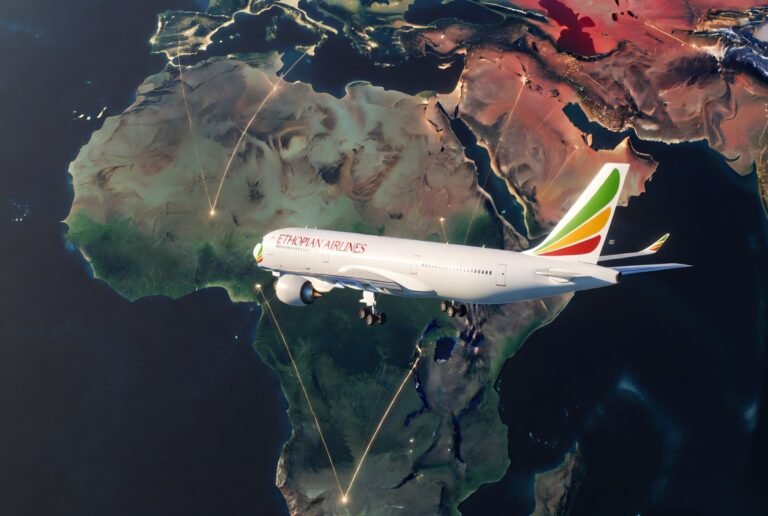
Air Cargo Rates China to Africa 2026: What Affects Pricing & How to Get Better Rates
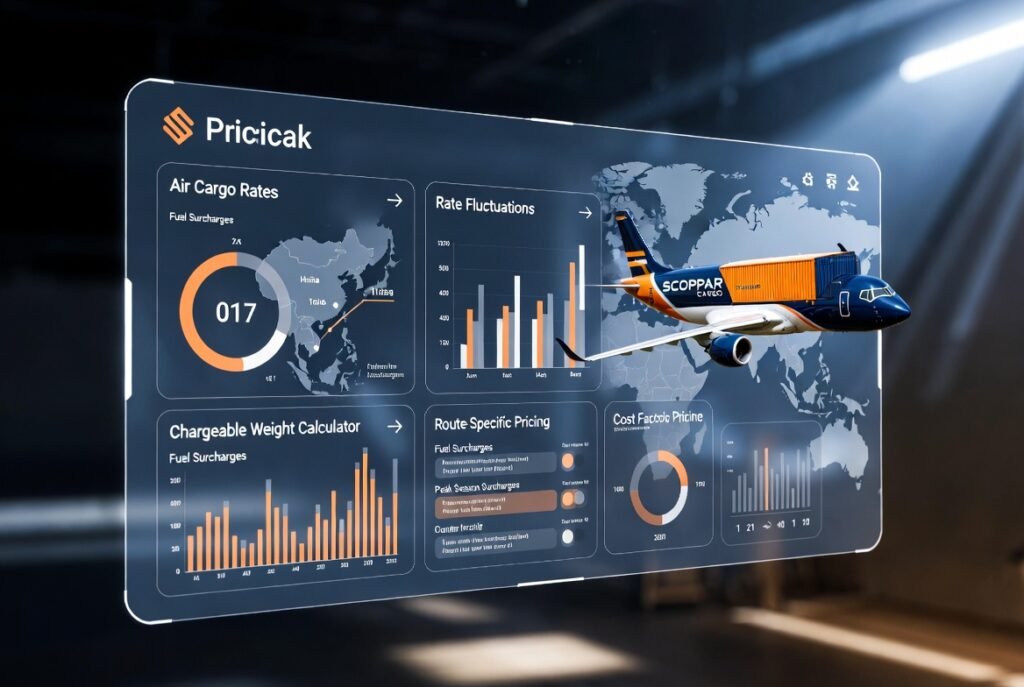
Air cargo rates from China to Africa are not fixed. They move every week based on demand, capacity, fuel prices, and route efficiency. Understanding what drives these rates helps importers and agents make better decisions and avoid overpaying.
This guide breaks down the main factors that influence China–Africa air freight pricing in 2026 and practical ways to secure better rates.
What Determines Air Cargo Rates?
| Factor | Impact on Price | Notes (2026) |
|---|---|---|
| Chargeable Weight | High | Higher of actual or volumetric weight |
| Route & Number of Stops | High | Direct/hub routes often cheaper overall |
| Fuel Surcharge | Medium–High | Fluctuates with global oil prices |
| Security & Handling Fees | Medium | Added at origin and destination |
| Peak Season Demand | High | Strong increases in Q4 and Chinese New Year |
| Commodity Type | Medium | General cargo vs dangerous goods / special cargo |
| Available Capacity | High | Tight space pushes rates up |
Chargeable Weight: The Foundation of Pricing
Airlines do not charge only on actual weight. They use chargeable weight, which is the higher of:
- Actual gross weight, or
- Volumetric weight = (Length × Width × Height in cm) ÷ 6000
Light but bulky shipments are often more expensive than dense cargo of the same actual weight. Optimizing packaging is one of the easiest ways to reduce cost.
Route Choice Matters More Than Many Realize
Traditional multi-stop routes (via the Middle East or Europe) can appear competitive on base rates but often end up higher once all surcharges, handling fees, and longer transit times are included.
Newer corridors such as Ezhou (EHU) → Lagos (LOS) → Douala (DLA) frequently offer better all-in value for Central and West Africa destinations because of fewer handlings and more efficient freighter utilization.
Peak Seasons in 2026
Expect higher rates and tighter space during:
- Chinese New Year (January–February)
- Back-to-school period (July–September)
- End-of-year peak (October–December)
During these windows, rates can rise 15–40% and available space becomes limited. Booking early is the most effective way to control cost.
How to Get Better Rates in 2026
Here are practical strategies that consistently work:
- Request all-in quotes Always ask for the full price including fuel, security, and handling. Comparing only base rates is misleading.
- Optimize packaging Reduce volumetric weight wherever possible. Better packing often saves more money than negotiating a slightly lower rate.
- Book in advance during peak periods Secure space 2–3 weeks ahead when demand is high.
- Consolidate shipments when possible Higher chargeable weight can unlock better rate tiers.
- Work with a focused China–Africa specialist Operators who concentrate on this lane usually have better visibility on capacity and more competitive pricing than generalists.
- Be flexible on exact flight dates Slight flexibility can open access to better-priced capacity.
- Build a consistent relationship Regular volume, even moderate, often leads to improved rates and priority space over time.
What a Good Rate Looks Like
There is no single “correct” rate. A good rate in 2026 is one that balances:
- Competitive all-in cost
- Acceptable transit time
- Reliable space and tracking
- Clear communication
The lowest number on a quote is not always the best overall value.
Want current rates for your cargo?
Scoppar provides transparent all-in pricing on the Ezhou–Lagos–Douala corridor and other China–Africa routes.
WhatsApp: +237 693 000 027 Email: care@scoppar.com Website: www.scoppar.com
Share your origin, destination, approximate weight/volume, and commodity for a clear quote.